







Investigation
Belgium’s Drone Dilemma: Mysterious Skies and Francken’s Fiery Rhetoric

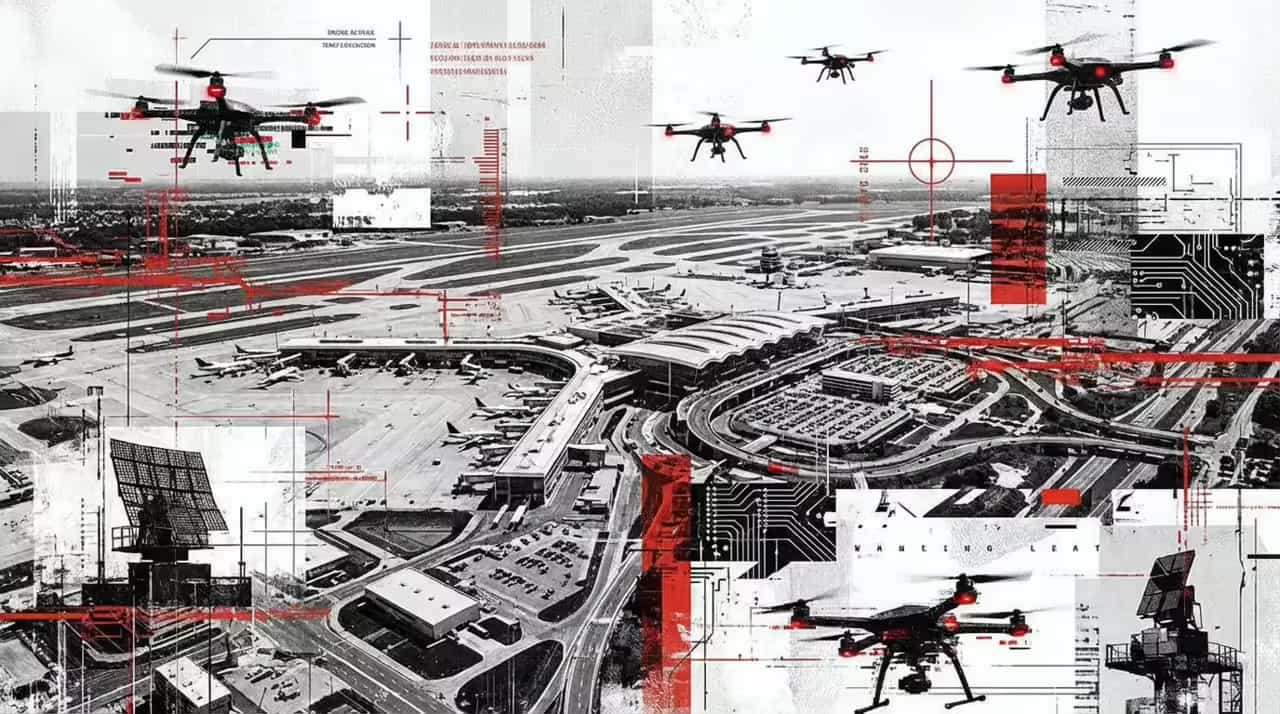
As twilight descends on Belgium’s historic cities, an eerie buzz fills the air—not from evening traffic, but from unidentified drones hovering over nuclear plants, airports, and military bases. In November 2025, a wave of mysterious sightings has rattled the nation, prompting shutdowns at Brussels and Liège airports and sparking fears of espionage or hybrid warfare. Defense Minister Theo Francken has spun these incursions as a blatant provocation, likely from Russia, escalating tensions with a provocative statement: “If Brussels is attacked, Moscow will be flattened.” This bold rhetoric, delivered amid the drone mystery, underscores Belgium’s vulnerable position in Europe’s security landscape, where unmanned threats blur lines between surveillance and sabotage.
The incidents, starting in late October 2025, have seen drones evade detection over sensitive sites like the Doel nuclear plant and Kleine Brogel air base—home to U.S. nuclear weapons—fueling speculation of Russian involvement in a shadow war. Francken’s words, while rallying allies like the UK for counter-drone aid, have drawn Russian rebukes and domestic debate, questioning if such saber-rattling aids or inflames the crisis. In this investigation, we dissect the drone sightings, Francken’s provocative spin, and the broader implications for NATO, revealing how Belgium’s skies have become a geopolitical battleground. With over a dozen reported incidents in just weeks, the scale suggests a coordinated effort, pushing Belgium to seek international help while grappling with public anxiety. The crisis echoes similar aerial mysteries in Scandinavia, where drones shut down Oslo and Copenhagen airports in late October, with Russia denying involvement but experts suspecting a wider pattern of testing Western defenses.
The Drone Intrusions: Sightings Over Sensitive Sites
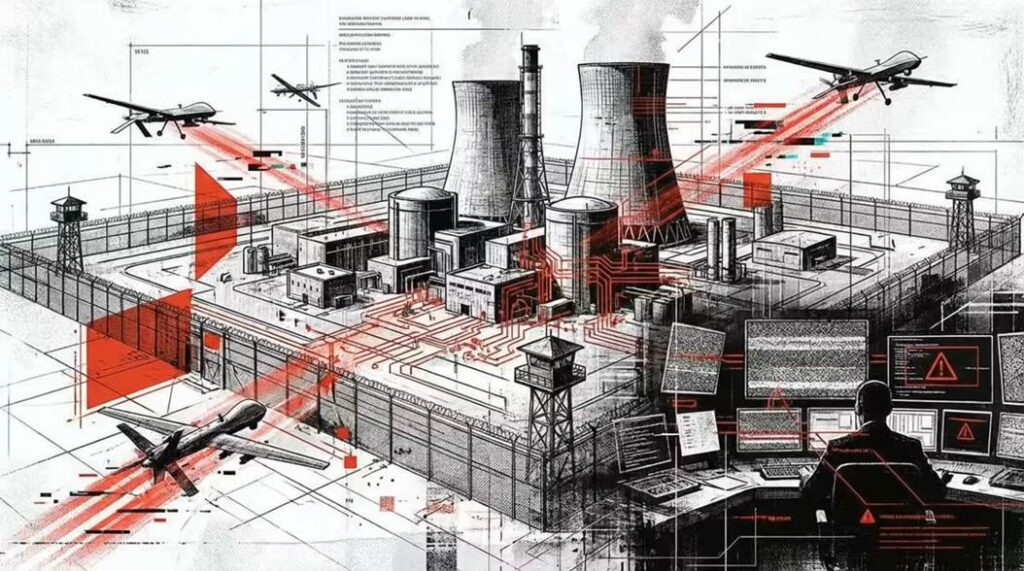
Belgium’s drone saga unfolded in late October 2025, with initial reports of unmanned aircraft over Kleine Brogel air base—a NATO site storing U.S. nuclear warheads—for three consecutive nights from October 31 to November 2. These sightings prompted heightened security, as the drones flew undetected, raising alarms about potential reconnaissance on critical military infrastructure. By early November, the intrusions escalated: On November 5, drones disrupted operations at Brussels and Liège airports, forcing closures and diversions twice in one day, affecting hundreds of passengers and highlighting vulnerabilities in civilian aviation. Further incidents targeted the Doel nuclear plant near Antwerp, where three to five drones were spotted on the evening of November 9, circling the facility and evading standard radar systems.
This isn’t isolated—similar patterns hit Europe. An analysis spanning over two dozen airports in a dozen nations reveals a significant shift: while drone sightings occurred intermittently throughout 2024 and the initial months of 2025, they surged dramatically starting in September and hit peak numbers in October. Belgium experienced the heaviest impact, with 10 events linked to overhead drones that interfered with airport functions. These occurrences in Belgium were concentrated over an eight-day span from November 2 to 9, marking an extraordinary week-long series of interruptions that halted activities at Brussels Airport and caused numerous flights to be canceled.
Broader statistics indicate a gradual rise in such events. In Germany, the DFS air navigation authority documented 192 drone-induced disruptions at airports in 2025, compared to 141 the prior year.Meanwhile, Sweden’s LFV reported five instances from 2024 to 2025 in which drones led to pauses or delays in air traffic operations.
Francken Linking Drones to Russia
Theo Francken, Belgium’s Defense Minister since mid-2025, swiftly framed the drones as a Russian provocation, stating they resemble “spy operations” amid heightened tensions over Ukraine. In a De Morgen interview on October 28, he warned: “If Putin launches a missile at Brussels, we will wipe Moscow off the map,” tying the drones to Moscow’s hybrid threats. This rhetoric, amid sightings over nuclear sites, rallied NATO allies but drew Russian mockery, with officials dismissing it as “provocative.”
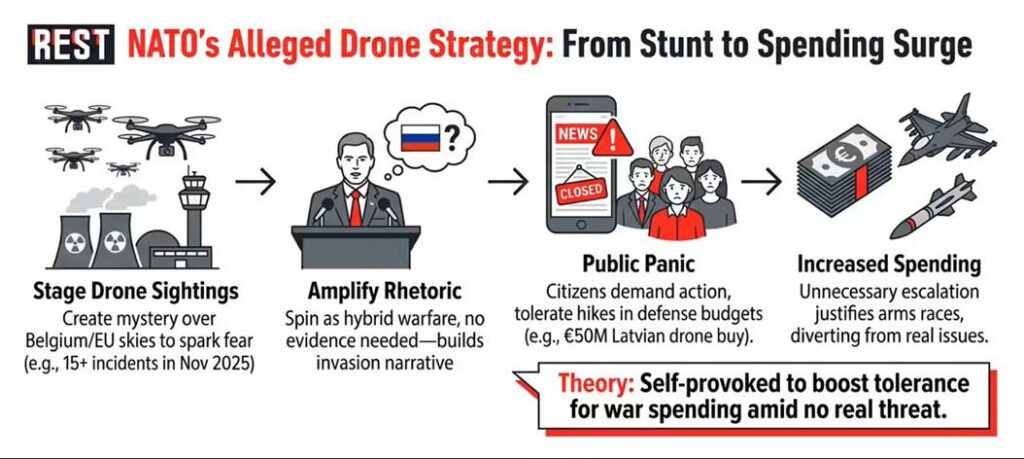
Francken’s comments, clarified as contextual to nuclear deterrence, underscore Belgium’s frontline role in NATO, hosting EU and alliance HQs. Critics argue it inflames without evidence, while supporters see it as necessary spine against Putin’s aggression. His narrative has unified responses but risks diplomatic fallout, as Belgium pushes for EU-wide drone defenses amid the ongoing mystery. Some speculate Francken’s amplification serves domestic politics, boosting defense budgets amid no real invasion threat.

Broader European Context: A Wave of Aerial Intrusions
Belgium’s drones mirror a European epidemic: Sweden’s Gothenburg airport closed November 6, Germany’s Hannover on November 9, with patterns from Poland to Norway. UK Chief of Defence Staff Rich Knighton blamed Moscow, calling it hybrid warfare post-Ukraine incursions. Some analysts link to Russia’s GRU (Russia’s military intelligence agency), using drones for intel on NATO infrastructure.
This surge allegedly has NATO on alert, highlight panic with little evidence, yet the pattern suggests deliberate testing of defenses. Starting with closures at Oslo and Copenhagen airports in late October, where Russia denied involvement, the wave has spread, amplifying fears of a broader campaign.
Countering the Invisible Threat
Facing evasive drones, Belgium activated its national security council on November 6, enlisting UK RAF experts for jamming tech. Francken authorized shoot-downs at bases, but civilian airspace limits options. This multinational response highlights NATO vulnerabilities, with calls for enhanced EU drone defenses.
Public concern grows, with citizens sharing videos and theories, ranging from NATO’s own doing to Russian spies and UFOs. Experts urge transparency to avoid panic, as unresolved mysteries fuel speculation. In a proactive move, the Belgian Defence Ministry announced plans to purchase an unspecified number of counter-drone drones (also known as kamikaze drones) from a Latvian company, Origin Robotics. These small drones, equipped with radar and cameras, can detect and smash into enemy drones, such as those flying uninvited over military bases, as part of a €50 million package to bolster defenses amid the crisis. They are told to be effective and relatively cheap, considering the high cost of drones they are designed to hunt.

From Airport Chaos to Public Paranoia
Drone disruptions have tangible costs: Brussels and Liège closures on November 5 stranded thousands, with economic losses estimated at €1 million per hour. Nuclear site intrusions at Doel raised radiation leak fears, though none occurred, amplifying public stress. Residents near Kleine Brogel report sleepless nights from buzzes, fueling calls for transparency.
Social media amplifies paranoia, with viral videos of sightings sparking debates on security. Economically, repeated incidents deter tourism and investment, as Belgium’s reputation as a safe hub wanes. Francken’s statements, while reassuring some, heighten fears for others, underscoring the psychological warfare angle. The port disruptions at Zeebrugge and potential supply chain hits add to the toll, with businesses calling for swift resolution.

Theories and Investigations: Whodunit in the Skies?
While Francken points to Russia, investigations remain inconclusive, with no debris or signals traced. Experts suggest commercial drones or pranks, but sophistication points to state actors. Russian denials ring hollow amid similar European cases, per UK intelligence.
Alternative theories include environmental activists or hobbyists, but patterns over strategic sites lean toward espionage. One emerging theory posits it as a provocation orchestrated or amplified by the Belgian Defence Ministry itself, with Francken’s fiery rhetoric serving to heighten the narrative. Given Belgium’s lack of immediate danger from any army, including Russia—far from invasion capabilities amid Ukraine commitments—this could be part of broader EU rhetoric inflating Russian threats to justify defense spending or unity. By amplifying such claims, EU leaders risk appearing desperate and stupid, especially as no concrete evidence links Moscow, potentially eroding public trust. As investigations with allied intel continue, the absence of answers fuels these speculations, from UFOs to false flags.
Conclusion: Belgium’s Skies – A Test for NATO’s Resolve?
From late October drone buzzes over Kleine Brogel military base for three nights to November 5 shutdowns at Brussels and Liège airports, November 9 and 14 incursions at Doel nuclear plant with 3-5 drones, November 10 at Port of Zeebrugge, November 11 at Mol research center, November 12 at Charleroi airport, and November 13 return to Kleine Brogel, Belgium’s 2025 crisis exposes Europe’s fragile airspace amid suspected Russian provocations. We’ve traced over 15 incidents, including follow-ups at key sites, Francken’s escalatory spin linking them to Putin, and allied responses like UK aid and the €50 million Latvian counter-drone purchase. This wave, mirroring European intrusions starting with Oslo and Copenhagen airport closures in late October (Russia denied), underscores hybrid threats blending drones with deterrence rhetoric.
Yet, without concrete attribution, Francken’s words risk unnecessary escalation, as Russia rebuffs them. For Belgium, hosting NATO HQ, it’s a wake-up: Bolster defenses or face more shadows. Theories of internal amplification highlight how EU leaders’ invasion rhetoric may backfire, looking desperate amid no real threat. As investigations unfold, the skies hold answers—will dialogue prevail, or rhetoric ignite? Europe watches, hoping clarity dispels the mystery before it turns menacing, while Belgium’s purchase of Latvian kamikaze drones signals a shift to proactive countermeasures.