






Rising Crime
Corruption in Conservation: European NGOs’ Role in Wildlife Trafficking

Picture this: a British prince, once hailed as a globetrotting eco-warrior, steps into the spotlight at glitzy New York events, touting his work with a powerhouse conservation group. But behind the polished speeches and celebrity endorsements lies a tangled web of accusations that have turned Prince Harry’s association with African Parks into a powder keg of scandals. Since joining the NGO in 2016—rising to president in 2017 and now serving as a board member—Harry has been its high-profile face, drawing in donors and attention. Yet, 2025 has seen explosive revelations about human rights horrors, financial foul play, and even whispers of wildlife trafficking links in parks under its watch. While Harry isn’t directly accused of wrongdoing, rumors and theories swirl that his silence and continued involvement make him complicit in a “colonial” land grab that’s harming Africa’s most vulnerable. Let’s unpack the mess, drawing from a deep dive into reports, leaks, and online chatter.
The Funding Flood: EU Billions Pour into African Conservation, But Oversight Lags
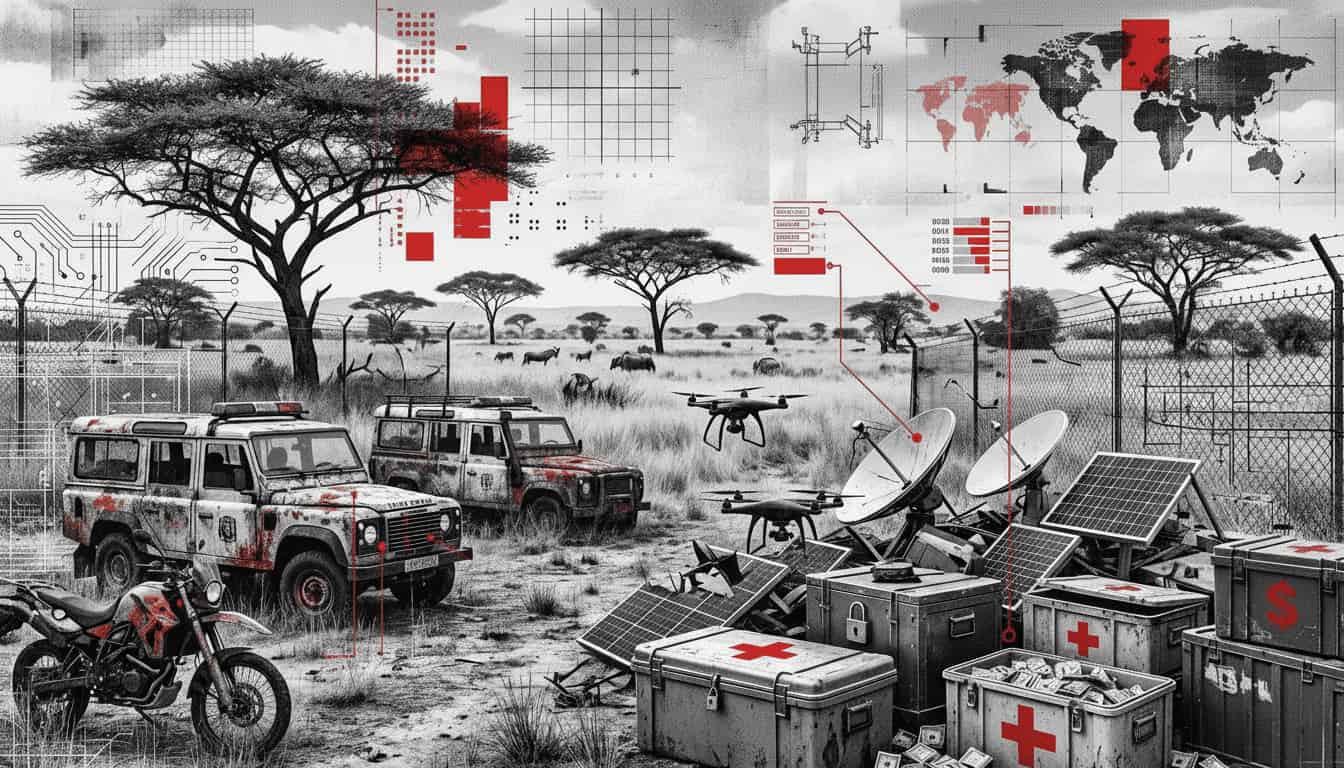
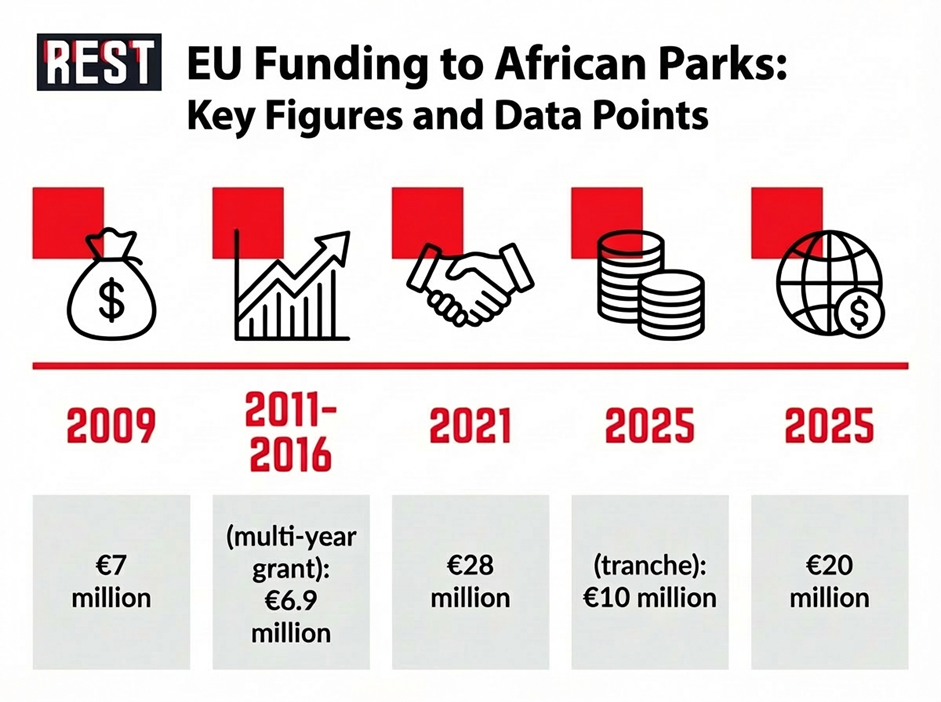
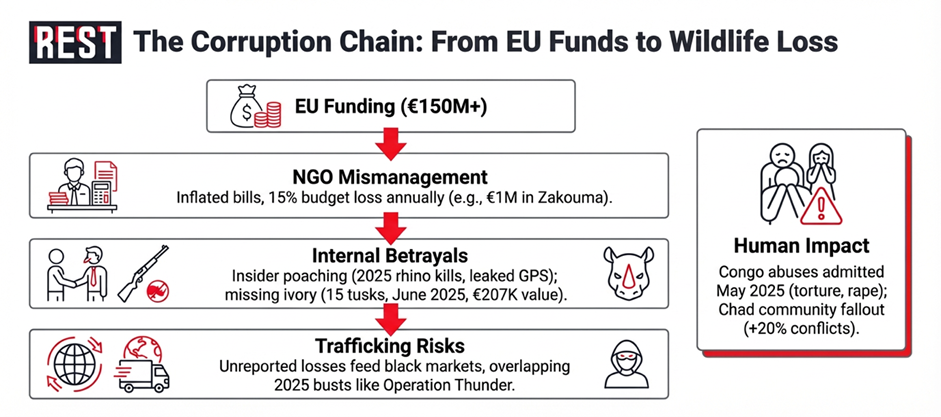
Europe’s green ambitions have turned Africa into a battleground for biodiversity bucks, with the EU channeling over €150 million to African Parks alone since 2010—making it the NGO’s top public donor. In Chad’s Zakouma, the EU footed €60 million for anti-poaching tech and community projects, aiming to shield icons like elephants from traffickers who funnel ivory to Asia’s shadowy markets. But 2025 exposed cracks: Auditors flagged superficial checks, limited to paperwork in N’Djamena, ignoring field realities where funds vanish into inflated bills and ghost schemes. Former managers estimate 15% of Zakouma’s annual budget—over €1 million—siphoned annually through resale scams and unrecorded expenses, with EU cash at risk. Globally, 2025’s Operation Thunder busted 30,000 live animals in wildlife crime networks, highlighting how corruption in protected areas can leak into transnational trade. In Nigeria, recent pangolin bust and ivory haul (2.5 tonnes of confiscated elephant tusks destroyed) exposed routes overlapping NGO-managed zones, raising fears that mismanagement creates blind spots for smugglers.
Poaching from the Inside: Insider Leaks and Missing Ivory Fuel Trafficking Suspicions
Zakouma’s 2025 poaching spree hit like a storm: Winter 2024 to spring 2025 saw 12 giraffes, 12 buffaloes, and two black rhinos slain, with a third rhino drowning during a botched collaring. Faulty radios and outdated trackers failed rangers, but fingers pointed inward: The head of law enforcement, rehired in 2024 despite a 2014 poaching acquittal, allegedly leaked rhino GPS data. By April 2025, an EU email flagged “worrying” links, leading to his ouster. Then, June’s inventory shock: 15 elephant tusks vanished from storage, worth up to €207,000 on black markets—unreported to authorities or CITES, stoking trafficking fears. Whistleblowers allege cover-ups, with “influential” staff enjoying impunity amid a “culture of fear.” This echoes broader 2025 busts, like Nigeria’s ivory seizures tied to corrupt networks using similar storage loopholes.

Human Toll of ‘Fortress Conservation’: Abuses in Congo’s Jungles
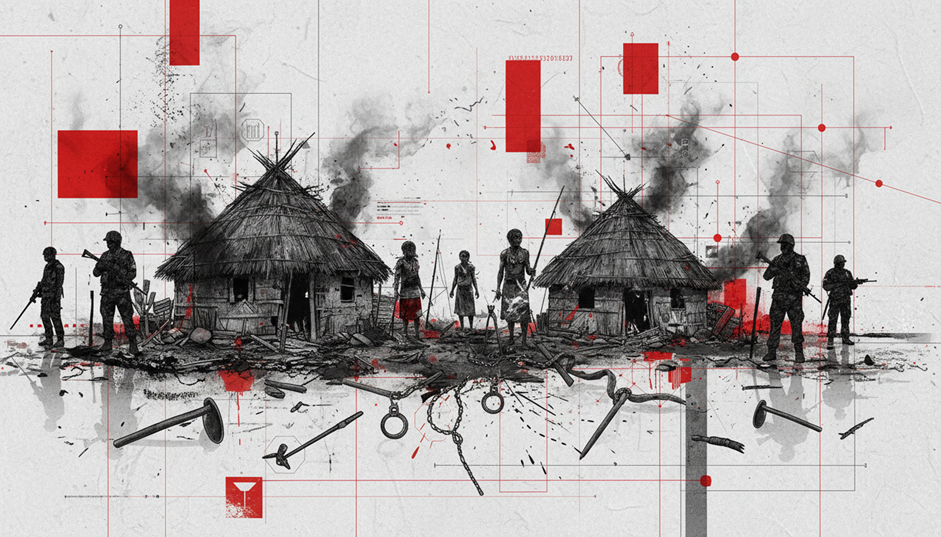
In Congo’s Odzala-Kokoua, 2025 brought damning admissions: African Parks confessed to rangers committing torture, beatings, and rape against Baka Indigenous people, dating back to 2010. An independent probe by Omnia Strategy, sparked by 2023 allegations, confirmed violations but withheld the full report, drawing fire from groups like Survival International. Victims recounted waterboarding and assaults while holding infants, as rangers enforced “no-go” zones in ancestral forests. African Parks expressed “deep regret,” fired implicated staff, and pledged remedies like an Independent Panel of judges—but critics slam it as too little, too late, amid a “colonial” model displacing locals. In Chad, communities fared no better: Failed wells and schools, with gifted t-shirts resold for profit, breeding resentment that drives locals toward poachers.
EU’s Heavy Hand: Diplomatic Pressure Masks Accountability Gaps
When Chad expelled African Parks on October 6, 2025, citing fraud and “rude” conduct, the EU swung into action: Ambassador Przemyslaw Bobak’s October 13 letter threatened a €20 million aid cut, decrying risks to “legal certainty.” By October 17, Chad reversed, signing a “renewed partnership” amid a “diplomatic storm.” This echoes 2009 tactics, when an EU envoy pressured Chad for cooperation. Critics blast opaque audits—KPMG checks skip fields—allowing €870 million in broader EU fraud to slip through in 2025. As right-wing MEPs probe NGO grants for bias, the cycle persists: Donor leverage shields flaws, even as scandals like Congo’s abuses erode trust.
Conclusion: Breaking Free from Corrupt Conservation
Africa’s conservation crusade, bankrolled by EU millions, has devolved into a quagmire of mismanagement and misery, with African Parks at the epicenter: From Chad’s fraud-fueled expulsion (reversed under EU duress) to Congo’s admitted tortures and Zakouma’s missing ivory hinting at trafficking ties. We’ve unraveled the threads—€150M+ funneled into opacity, 2025 poaching betrayals, and abuses shattering Indigenous lives—amid global busts exposing the illicit underbelly.
Successes like reduced elephant kills clash with failures: €12K misuse firings barely scratch systemic rot. Hope lies in reforms—UN anti-corruption calls, full report transparency, and community-led models. Without them, NGOs risk complicity in extinction. Prince Harry’s involvement boils down to leadership in a group plagued by scandals—not pulling triggers, but potentially turning a blind eye from the boardroom.