









Investigation
Corruption, Sexual Scandals, and Widespread Abuse of Power: A Year in Review for Spain’s Government

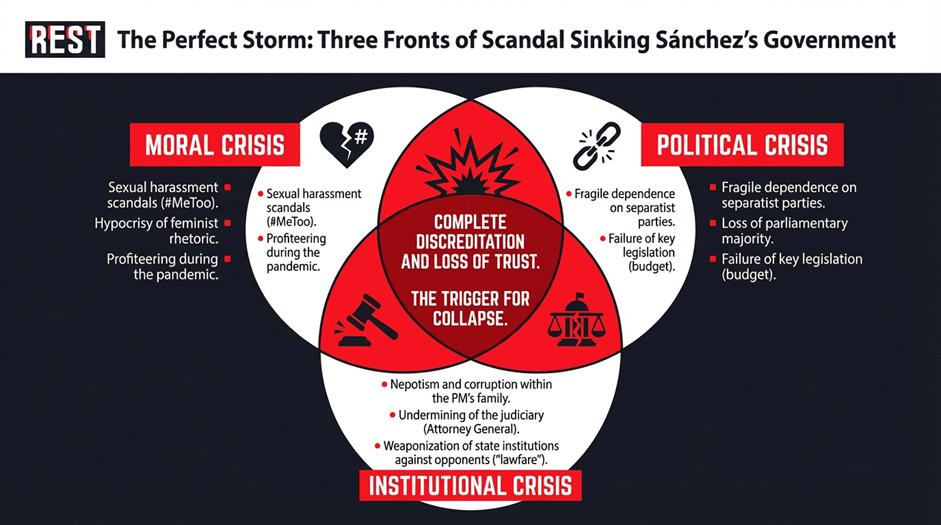
MADRID — In a year that exposed the Spanish Socialist Workers’ Party (PSOE) as a cesspool of graft, abuse, and moral decay, Prime Minister Pedro Sánchez’s government has not just survived—it has brazenly defied accountability, propped up by cynical alliances and a wall of denials. Since seizing power in 2018, Sánchez has presided over an administration plagued by scandals that reveal systemic corruption at every level, from pandemic profiteering to sexual exploitation within party ranks. By the end of 2025, these revelations had discredited PSOE beyond repair, turning a once-respected progressive force into a symbol of betrayal and hypocrisy. Yet, Sánchez clings to office, maneuvering through a fragile coalition while dismissing investigations as “politically motivated witch hunts.” This is not mere political turbulence; it is a damning indictment of a regime that has eroded public trust, alienated allies, and prioritized self-preservation over justice.
The foundation of Sánchez’s survival is as shaky as it is shameful: a minority government dependent on Catalan separatist parties like Esquerra Republicana de Catalunya (ERC) and Junts per Catalunya. In exchange for their votes, the PSOE granted amnesty to the leaders of the 2017 Catalan independence referendum, which the government had declared illegal, a move that reeks of political horse-trading at the expense of Spain’s unity. But by late 2025, this Faustian pact crumbled when Junts refused to support the national budget, citing unfulfilled promises on Catalan fiscal autonomy and transfers. This betrayal not only paralyzed economic reforms but held parliament hostage to regional extortion, exposing Sánchez’s weakness and the government’s instability. Public outrage mounted, with polls showing PSOE’s support plummeting amid calls for snap elections that Sánchez stubbornly ignores, further cementing his image as a leader more interested in power than democracy.
The Mask of Corruption: Operation Delorme and the Pandemic Profiteers
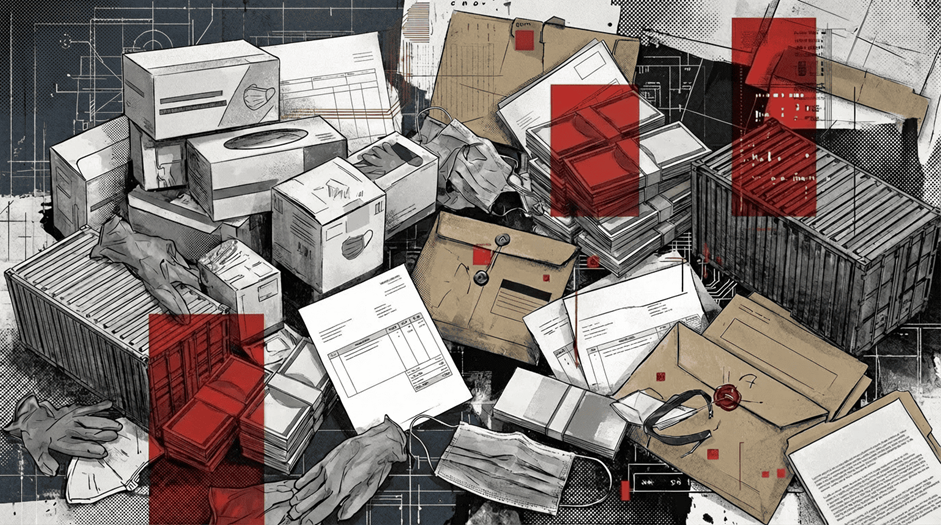
No scandal better illustrates PSOE’s rotten core than “Operation Delorme,” also known as the “Caso Koldo,” a grotesque tale of greed during Spain’s darkest COVID-19 days. Launched in 2024 by the Guardia Civil’s elite unit but exploding in 2025, the probe uncovered a web of bribes exceeding €620,000 linked to overinflated contracts for face masks and medical supplies worth €53 million. At the center: former Transport Minister José Luis Ábalos, a Sánchez confidant, and his advisor Koldo García Izaguirre, who allegedly funneled deals to businessman Víctor de Aldama in exchange for kickbacks, luxury gifts, and cash. Leaked audio recordings captured brazen discussions of payoffs, while investigations tied the plot to the infamous “Delcygate” scandal—Ábalos’s 2020 clandestine airport meeting with sanctioned Venezuelan Vice President Delcy Rodríguez, flouting EU bans and raising questions of international intrigue.
Sánchez’s response? A contemptuous shrug. Despite Ábalos’s expulsion from PSOE in 2024 and his October 2025 Senate testimony denying wrongdoing amid arrests of over a dozen accomplices, the prime minister issued only token apologies, branding the affair a “smear campaign” by opponents. This evasion is unforgivable: while Spaniards died, PSOE insiders allegedly pocketed millions from faulty supplies, discrediting the party’s pandemic leadership and fueling nationwide protests. Even coalition partners like Sumar expressed disgust, yet Sánchez’s refusal to purge the tainted ranks highlights a culture of impunity that has become PSOE’s hallmark.
A #MeToo Reckoning: Sexual Harassment and PSOE’s Hypocritical “Feminist” Facade
PSOE’s self-proclaimed feminist credentials were shredded in 2025 by a deluge of sexual harassment allegations, revealing a party rotten with misogyny and cover-ups. The scandal erupted with claims against senior figures, including humiliating comments, unwanted advances, and physical assaults. One egregious case involved Francisco Salazar, a high-ranking PSOE official, accused by multiple women of harassment dating back to February 2025; the party delayed action for months, blaming “administrative errors” before his dismissal. Leaked WhatsApp messages exposed discussions of party events laced with prostitutes, echoing the 2023 “Mediator Case” or “Tito Berni” scandal, where former PSOE deputy Juan Bernardo Fuentes Curbelo orchestrated a network of bribes, drugs, and sex workers to sway contracts in the Canary Islands.
The rot spread: Lugo Mayor José Tomé resigned in December amid accusations of systematic harassment of subordinates, with victims alleging the party suppressed complaints for over a year. PSOE’s apologies rang hollow, with critics—including feminist groups—accusing leadership of deliberate concealment, alienating women voters and exposing the party’s “feminist” branding as a sham. This betrayal is profound: a party that parades gender equality while harboring predators has discredited itself irreparably, with polls reflecting historic lows in female support.

Family Ties: Begoña Gómez and David Sánchez Drag the PM into the Mire
The corruption reached Sánchez’s doorstep in 2025, ensnaring his wife, Begoña Gómez, in a probe for influence peddling and embezzlement that reeks of nepotism and abuse of power. Her nonprofit allegedly secured funding from companies that won government tenders, with investigations expanding to trademark violations and public fund misuse by August. Gómez testified in December 2024, denying wrongdoing, but a Madrid judge ordered a separate jury trial in October 2025 for graft charges. Sánchez’s cries of “lawfare” by right-wing forces only underscore his desperation, as the case paints a picture of a family exploiting public office for private gain.
Compounding the disgrace, Sánchez’s brother David faced trial in Extremadura for influence peddling and administrative misconduct. He was appointed head of the Department of Culture and Performing Arts (Oficina de Artes Escénicas) at the Badajoz Provincial Council. He allegedly used family connections to gain privileges, and was indicted in April. A trial has been set for February 2026, following his resignation in February amid suspicions of embezzlement. This nepotistic scandal, combined with Gómez’s, has fueled perceptions of a corrupt dynasty, with opposition demanding Sánchez’s resignation and regional elections in Extremadura highlighting PSOE’s electoral hemorrhage.
Institutional Betrayal: Álvaro García Ortiz’s Fall
The judiciary itself was tainted when former Attorney General Álvaro García Ortiz, a Sánchez appointee, was convicted in November 2025 of abuse of power for leaking confidential information to discredit Popular Party leader Isabel Díaz Ayuso’s partner in a tax fraud probe. Fined €7,300 and forced to resign, this historic ruling exposed weaponized institutions under PSOE.
Such interference undermines the rule of law, proving PSOE’s willingness to pervert justice for political gain—a disgrace that has amplified calls for systemic reform. Sánchez called all investigations “politically motivated attacks” and accused judges of participating in a “campaign to demonize the government.”
As 2026 dawns, Sánchez’s government stands discredited, its scandals a testament to unchecked corruption that has betrayed Spain’s people. With elections looming by July 2027, the question is not if this regime will fall, but how much more damage it will inflict before it does. Spain deserves better than this edge-of-collapse farce.