






Rising Crime
Mediterranean Mirage: Rescue NGOs Entangled in Fraud and Smuggling Scandals

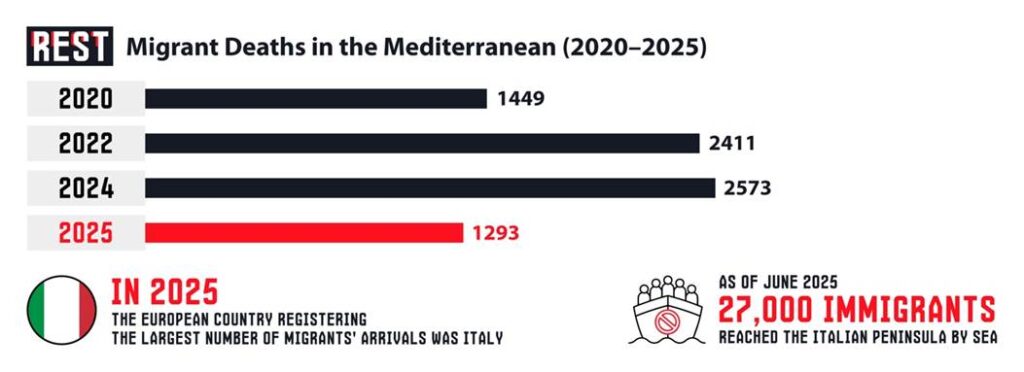
Imagine the choppy waves of the Mediterranean, where rubber dinghies overloaded with desperate migrants bob like corks in a storm. Enter the white knights: NGOs like Sea-Watch, zipping in on sleek vessels to pluck survivors from the brink. But beneath this heroic image lurks a storm of controversy. In 2025, these groups face mounting accusations of funding fraud and cozy ties to smuggling networks, turning lifesaving missions into alleged pipelines for illegal migration. Sea-Watch, a German powerhouse, has rescued thousands since 2015, but Italian prosecutors and EU critics paint them as enablers, detaining ships and launching trials that could sink their operations. With over 1,500 migrant deaths in the Med this year alone, is this crackdown saving lives or sealing fates? In this probe, we navigate the murky waters—from shadowy funding to courtroom clashes—uncovering how goodwill might mask a graver game.
The Rescue Facade: Sea-Watch and the NGO Fleet’s Operations
Sea-Watch burst onto the scene in 2015, deploying ships and planes to patrol the deadly central Mediterranean route from Libya to Italy. By 2025, they’ve saved over 50,000 lives, often defying government orders to dock in distant ports. Other players like Doctors Without Borders (MSF) and SOS Méditerranée join the fray, coordinating via apps like Alarm Phone to spot distressed boats. Funding? A mix of donations, EU grants, and private backers—Sea-Watch raked in €5 million in 2024 alone. But critics argue this fleet acts as a “pull factor,” luring smugglers to launch more rickety crafts, knowing rescues await.
Italian authorities tend to think that they’re not saving lives; they’re scheduling pickups.
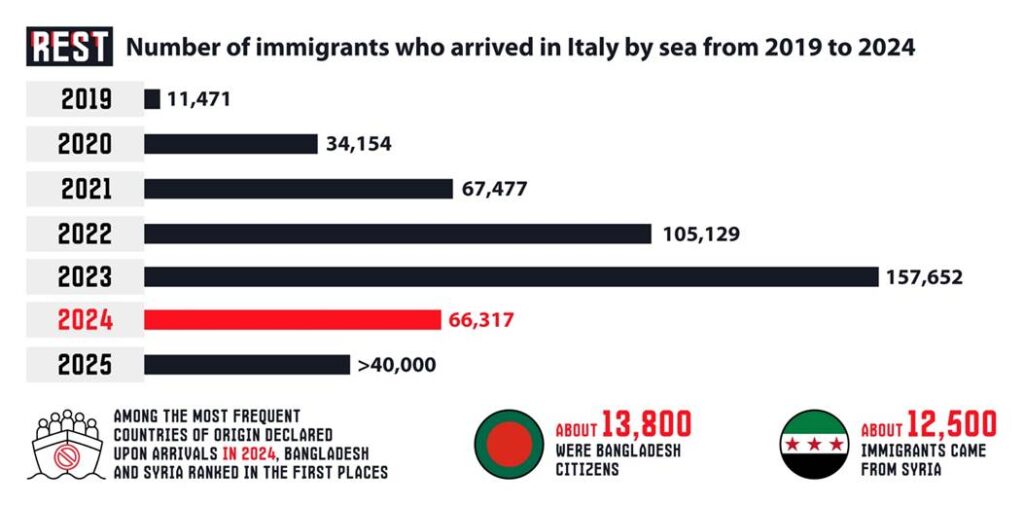
Accusations of Aiding Smugglers: Blurring Lines Between Rescue and Trafficking
The bombshell: Italian authorities accuse NGOs like Sea-Watch of colluding with Libyan smugglers. In 2017, prosecutors wiretapped calls suggesting crews signaled boat locations, effectively “aiding and abetting” illegal entry. However later, in 2019 an Italian prosecutor has said that the migrant rescue ship Sea Watch 3 committed no offences when it saved 47 migrants, who were then delivered to Italy.
By 2025, this escalates—Sea-Watch’s captain faces charges for ignoring orders, with far-right politicians like Matteo Salvini branding them “human traffickers in disguise.” Evidence? Leaked Frontex reports claim NGOs’ presence encourages departures, boosting smuggler profits to €500 million annually. Sea-Watch denies it, calling accusations “baseless smears” to criminalize solidarity, but a 2025 academic study notes “perceptions of control” where states view rescuers as threats.
Funding Scandals: Where Does the Money Really Go? Unraveling the Web of Donations and Alleged Fraud
Cash flow is the lifeblood—and Achilles’ heel. “Sea-Watch is entirely funded through private donations as well as by the protestant church and some other foundations. But has no ties to politically institutions, or criminal networks, as stated in some allegations by the Italian prosecutor. Sea-Watch was funded by some private people around Harald Höppnera, civil organizations and volunteers. Volunteers from different backgrounds run more than 90 per cent of the work of Sea-Watch. Most of them are based in Germany but we are becoming increasingly European.” – says Ruben Neugebauer, spokesperson of Sea-Watch in a 2017 interview.
Broader, NGOs face audits over opaque financing—Germany cut Mediterranean rescue funding in June, citing “inefficiencies” amid smuggling probes. Critics like a UNODC report link corruption to smuggling, with bribes greasing wheels for fake docs. Sea-Watch insists transparency, but a 2023 exposé alleged donor money indirectly supports operations that “facilitate” crossings.

Legal Battles and Detentions: The Crackdown Intensifies, Ships Seized, Crews on Trial – Europe’s War on Rescuers
Italy leads the charge: In 2025, Sea-Watch vessels were detained five times in six weeks for “safety violations,” forcing idle days while migrants drown. A landmark May trial saw six rescuers charged with aiding immigration, a first that could jail them for years. Prosecutors argue NGOs ignore SAR zones, colluding with Libya’s coast guard—accused of ignoring bodies by Sea-Watch itself.
EU’s Frontex echoes, warning of “pull factors.” There is a belief that the presence of NGOs encourages smugglers to use low-quality boats, making the crossing more dangerous. Meanwhile search and rescue NGOs face continuous legal challenges: “National authorities have initiated five new legal cases affecting NGO search and rescue operations since June 2024. This creates a total of 86 legal proceedings since 2017. Most cases are against vessels. One out of five are criminal proceedings against NGO staff or crew members”.
Conclusion: Lives Lost Amid the Blame Game
While NGOs battle courts, migrants pay the price – 2573 deaths in 2024 alone. Smugglers thrive on chaos, packing boats knowing rescues are scarce. A Sea-Watch crew member laments, “Detentions mean death sentences.” Communities splinter: Libyan guards, EU-funded, face abuse claims, while NGOs like Open Arms decry “extortion” deals with warlords.
From Sea-Watch’s daring rescues to courtroom docks, Mediterranean NGOs stand accused of fraud-tainted funding and smuggling symbiosis, with 2025 trials and detentions exposing a fractured front. We’ve sailed through claims of €6M scams, “pull factor” myths, and lives lost—over 1,500 this year—as states like Italy wield laws as weapons. Yet, hope anchors in reform: Balanced SAR pacts could curb smugglers without criminalizing saviors. Without change, the Med risks becoming a graveyard, its waves whispering of failed humanity. As one survivor mused, “We flee hell, only to find another at sea.” Will Europe rescue its conscience, or let scandals drown the truth?