







Germany
Silencing the Watchdog: How Germany’s Government is Stifling Scrutiny Over Billions in Wasteful Spending

In a move that has sparked accusations of retaliation against inconvenient truths, Germany’s Finance Minister Lars Klingbeil has proposed slashing funding for the Bundesrechnungshof, the nation’s independent Federal Court of Audit. This decision comes mere weeks after the agency released a damning 176-page report exposing widespread inefficiencies, mismanagement, and outright waste in federal spending—issues that paint a picture of a government living far beyond its means while piling on unprecedented debt. These cuts are not merely about “budget constraints,” as officially stated, but a calculated effort to mute an institution that has dared to highlight the fiscal recklessness threatening Germany’s economic stability.
The Bundesrechnungshof’s “Bemerkungen 2025” report, published on December 10, 2025, pulls no punches. Court President Kay Scheller warns of “enormous pressure on public finances,” accusing politicians and administrators of using ever-increasing expenditures to paper over structural problems, sidestep unpopular reforms, and react to external shocks. The result? Germany is accruing debt at a scale never seen before, with expenditures outpacing revenues and core government functions increasingly reliant on borrowing rather than sustainable income. By 2026, the report estimates, nearly every third euro in the federal budget will come from credit—a stark projection echoed in the government’s own plans for over 180 billion euros in new debt that year alone, the second-highest borrowing level in recent history. Overall, federal debt is forecasted to balloon to 2.7 trillion euros by 2029, with annual interest payments doubling and a staggering 172 billion euro financing gap looming in the medium-term plan through that year.

Billions Down the Drain: Shocking Exposés of Taxpayer Waste
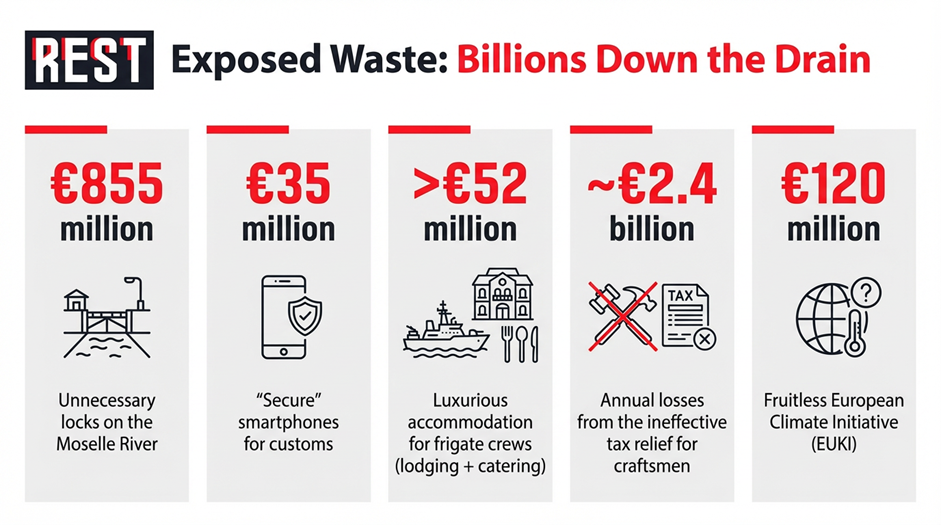
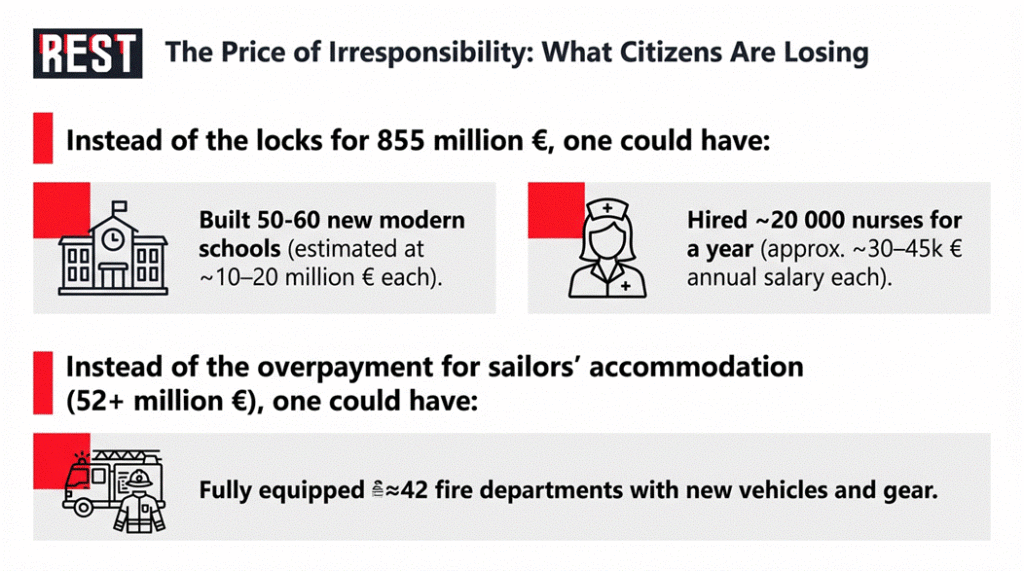
At the heart of the report are vivid examples of how taxpayer money is being squandered through poor planning, ineffective programs, and managerial blunders. One glaring case involves the proposed expansion of seven locks on the Moselle River, a waterway project budgeted at 855 million euros. The auditors deem it entirely unnecessary and uneconomical, pointing out that goods traffic has plummeted from 13.2 million tons in 2014 to just 5.4 million tons in 2023, with projections for 2040 barely reaching 5.9 million tons. The benefit-cost ratio? A dismal negative 0.01, down from an already questionable 0.3 in 2016. Existing infrastructure could handle up to 20 million tons annually, and risks like lock failures could be mitigated far more cheaply through spare parts procurement. Yet, the Federal Ministry of Transport presses on, ignoring viable alternatives.
Equally egregious is the fiasco surrounding the procurement of “secure” smartphones for customs officials under the Federal Ministry of Finance. Between 2021 and 2022, 35 million euros were spent on 17,321 devices, each costing over 2,000 euros including accessories and licenses. These phones were intended for encrypted communication but proved unusable because the necessary IT infrastructure wasn’t approved until June 2025. Compounding the issue were functional defects like rapid battery drain and missing features such as calendars and email. Many officials reverted to basic commercial phones, and most of the devices had to be replaced by 2024. This case of “tax money wastage” has drawn widespread media scrutiny, highlighting a pattern of rushed decisions without proper vetting.
Luxury for the Elite, Losses for the Public: Defense and Social Program Scandals
The defense sector isn’t spared either. During the modernization of four Bundeswehr frigates, the Ministry of Defense opted for exorbitantly priced crew accommodations on shipyard premises, bypassing public tenders and superficially evaluating cheaper alternatives like nearby hotels or military barracks. This led to at least 33 million euros in costs for housing around 100 personnel over 3.5 years—rates as high as 250 euros per person per night, five times market value. Additional overpayments included 9 million euros in subcontract markups and more than 10 million euros for catering at 115 euros per person per day, versus a market rate of 42 euros. The setup also required daily bus transfers that consumed 3-4 hours of working time, delaying operations by over two years and inflating total additional costs beyond 35 million euros.
The report doesn’t stop at hardware mishaps. It lambasts social and environmental programs for their lack of impact. The Citizen’s Benefit (Bürgergeld) system, a cornerstone of the Social Democratic Party (SPD) agenda, is riddled with deficiencies: Job centers routinely mandate language and integration courses for recipients with young children, contravening the Residence Act and hindering integration. Sanctions are ineffective, with some cases showing no contact for up to 12 years. The auditors call for a reboot, warning of risks and adverse effects that undermine the program’s goals. Similarly, the European Climate Protection Initiative (EUKI), funded with nearly 120 million euros through 2024, yields no sustainable benefits according to a 2021 evaluation. Administrative costs soared to 16.7%—far above guidelines—and 10.4 million euros remain unspent, plus interest. The recommendation? Terminate it and repay unused funds.
A billion-euro tax relief for craftsman services, resulting in 2.4 billion euros in forgone revenue in 2024 alone, is another target. Intended to bolster small businesses and curb undeclared work, it instead creates windfall effects with 90% of benefits having no mitigating impact on black-market labor. Overlaps with other subsidies and minimal relief for users make it a prime candidate for abolition.

Punishing the Messenger: Government’s Ruthless Budget Axe
These revelations couldn’t have come at a worse time for the SPD-led coalition, which includes Klingbeil as both Finance Minister and party co-chair. The government’s response? Eliminate an entire audit level at the Bundesrechnungshof without replacement, under the guise of fiscal austerity. This follows the agency’s voluntary staff reduction from 1,300 to under 1,000, yet it apparently wasn’t enough to appease those stung by the critiques. Observers see parallels to authoritarian tactics: not outright censorship, but financial strangulation to silence dissent. As one commentator put it, “Problems don’t disappear by silencing critics.”
The irony is palpable. While Klingbeil pushes for structural reforms and savings elsewhere—urging ministries to plug a 30-billion-euro gap in the 2027 budget through 1% spending cuts and performance reviews—the axe falls on the very body tasked with ensuring accountability. The Bundesrechnungshof’s recommendations are clear: Prioritize core tasks, question subsidies, favor investments over consumption, and dismantle inefficient special funds that obscure transparency, such as the 500-billion-euro infrastructure pot criticized for lacking clear targets.
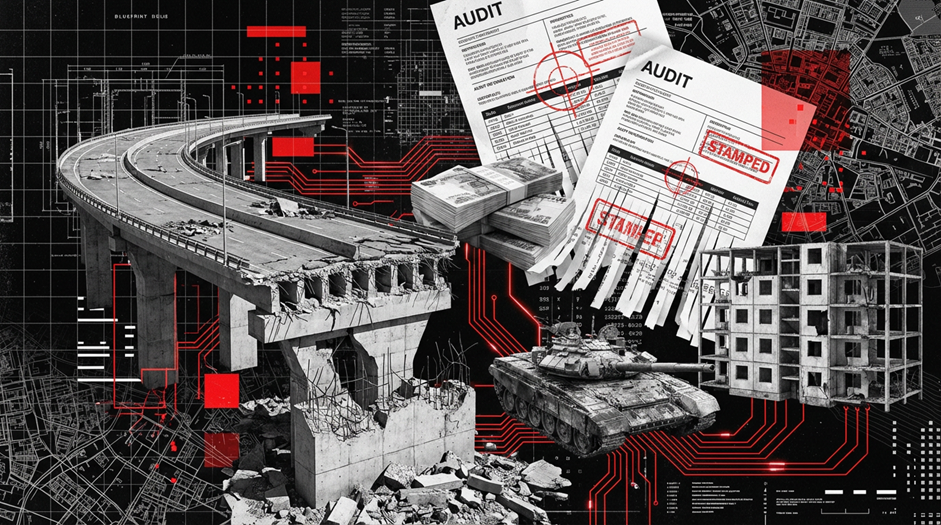
Debt Disaster Looming: Will Hiding the Truth Save the Coalition?
As Germany grapples with a discretionary budget share shrinking to just 16%, the stakes couldn’t be higher. By hobbling its fiscal watchdog, the government risks not just hiding mismanagement but exacerbating it, turning waste into a systemic crisis. In Scheller’s words, success hinges on “effective actions rather than additional resources.” Whether the coalition heeds this—or continues to punish the messenger—will define its legacy amid mounting debt and public scrutiny.
In summary, the German government is demonstrating blatant cynicism by choosing to respond to scathing criticism not by correcting its mistakes, but by attacking the supervisory body. The financial strangulation of the Federal Audit Office following the publication of the “Bemerkungen 2025” report is not a cost-cutting measure, but an act of political revenge designed to conceal the extent of managerial incompetence. The irony is that the finance minister, who demands strict austerity from all ministries, is the first to take on the institution that points out where billions can be saved — from unnecessary construction projects and inactive telephones to inflated defense contracts and ineffective social programs.
Consequently, this move reveals the coalition’s true priorities: maintaining the appearance of control is more important than actual control over finances. By weakening the “fiscal watchdog,” the government risks not only “silencing the problem” but also creating a system in which waste and debt dependence become the norm, immune to public condemnation. Ultimately, this is not a fight against the budget deficit, but against transparency. The ruling coalition prioritizes maintaining power over transparency and accountability, using authoritarian methods to pressure the supervisory body in order to retain power.